

Nigeria, with its rich history of ancient kingdoms, developed early forms of writing like Nsibidi and Ajami. Nsibidi, originating in southeastern Nigeria, is an indigenous system of signs, pictographs, ideographs, and gestures. Though its origins are debated, some trace it as far back as 5000 BC, with archaeological evidence from Ikom dating to 2000 BC. Used by the Uguakima and Ejagham people, and later by the Ebe, Efik, Ibibio, and Igbo, Nsibidi served in secret societies and conveyed artistic, social, and political messages—independent of Roman, Latin, or Arabic influences. Ajami, derived from Arabic script, was adapted to West African languages like Hausa, Fula, and Yoruba. It appeared as early as the 11th century and was widely used from the 13th to 17th centuries, notably in texts like the Timbuktu manuscripts and the Kano Chronicle with the history of the Kano state back to 999 AD. Linked to the spread of Islam and the rise of Hausa city-states, Ajami supported scholarship in religion, science, and history. Both systems highlight Nigeria’s deep intellectual heritage before European colonisation.
Chinua Achebe
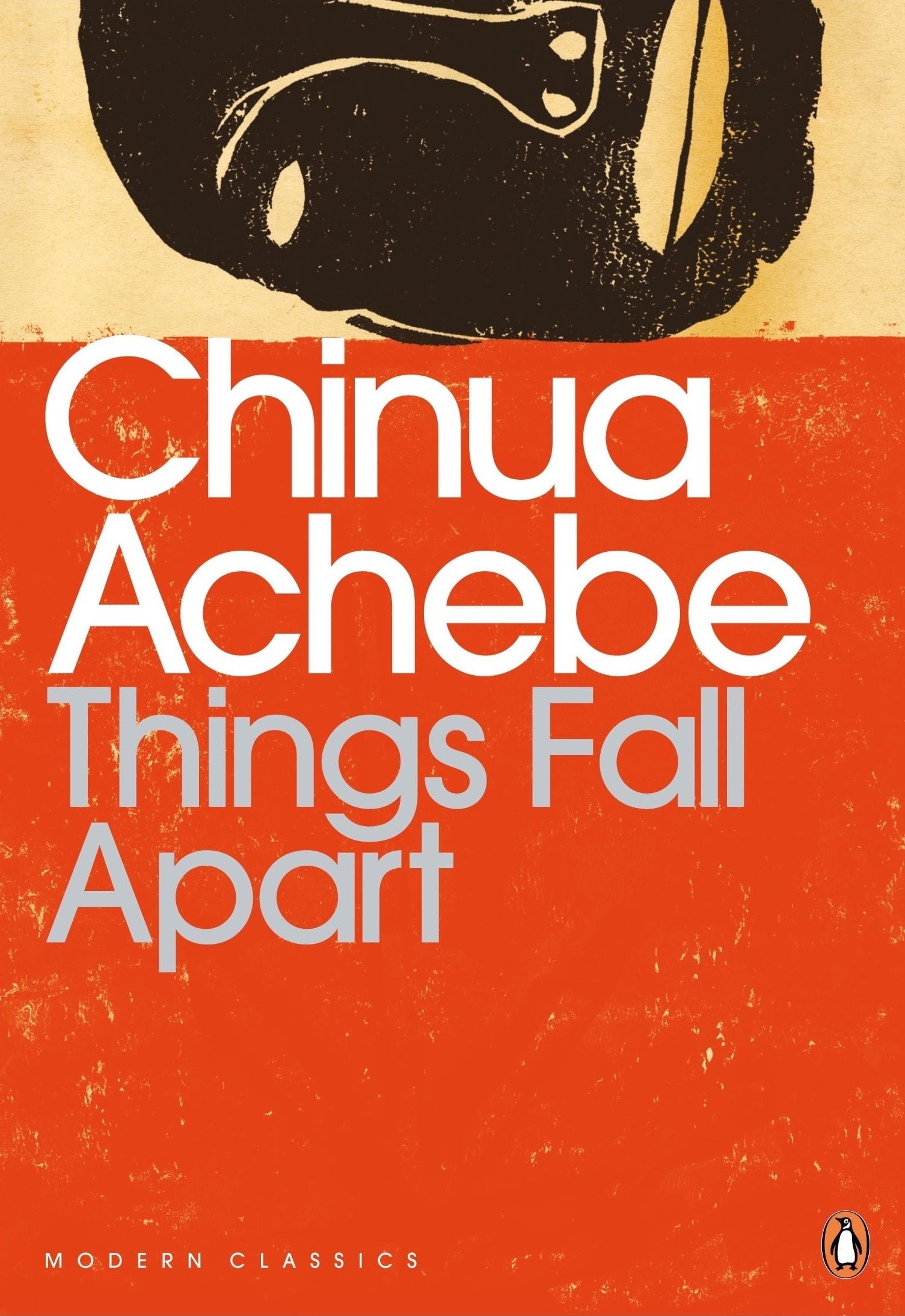
Chinua Achebe born Albert Chinụalụmọgụ Achebe; 16 November 1930 – 21 March 2013) was a Nigerian novelist, poet, and critic who is regarded as a central figure of modern African literature. His first novel and magnum opus, Things Fall Apart (1958), occupies a pivotal place in African literature and remains the most widely studied, translated, and read African novel.
Ola Rotimi
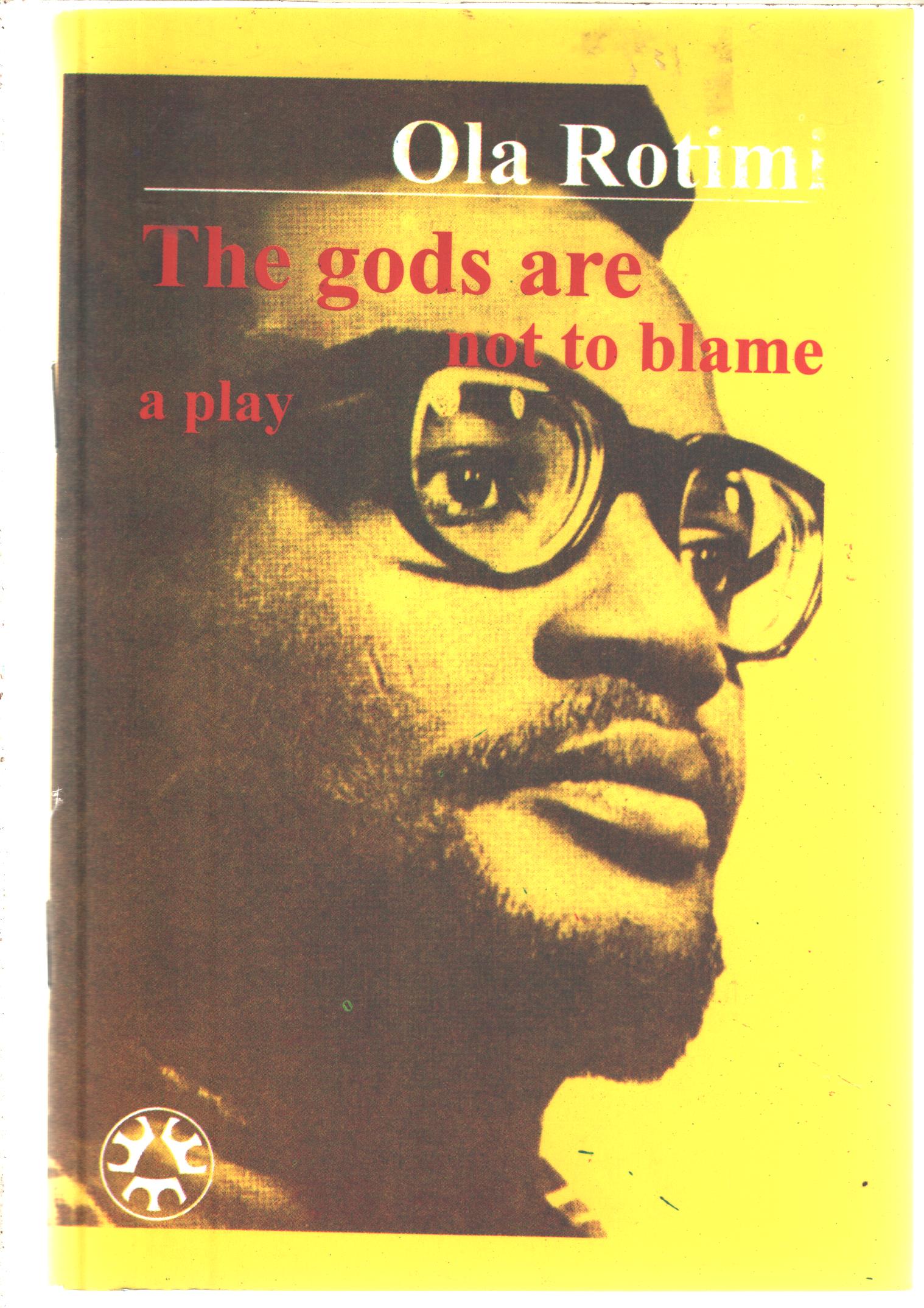
The Gods Are Not To Blame
Ola Rotimi's The Gods Are Not To Blame is a 1968 play and a 1971 novel, an adaptation of the Greek classical play Oedipus Rex. The novel is set in an uncertain period of a Yoruba kingdom. This reworking of Oedipus Rex was part of the African Arts (Arts d'Afrique) playwriting contest in 1969.
Oyinkan Braithwaite
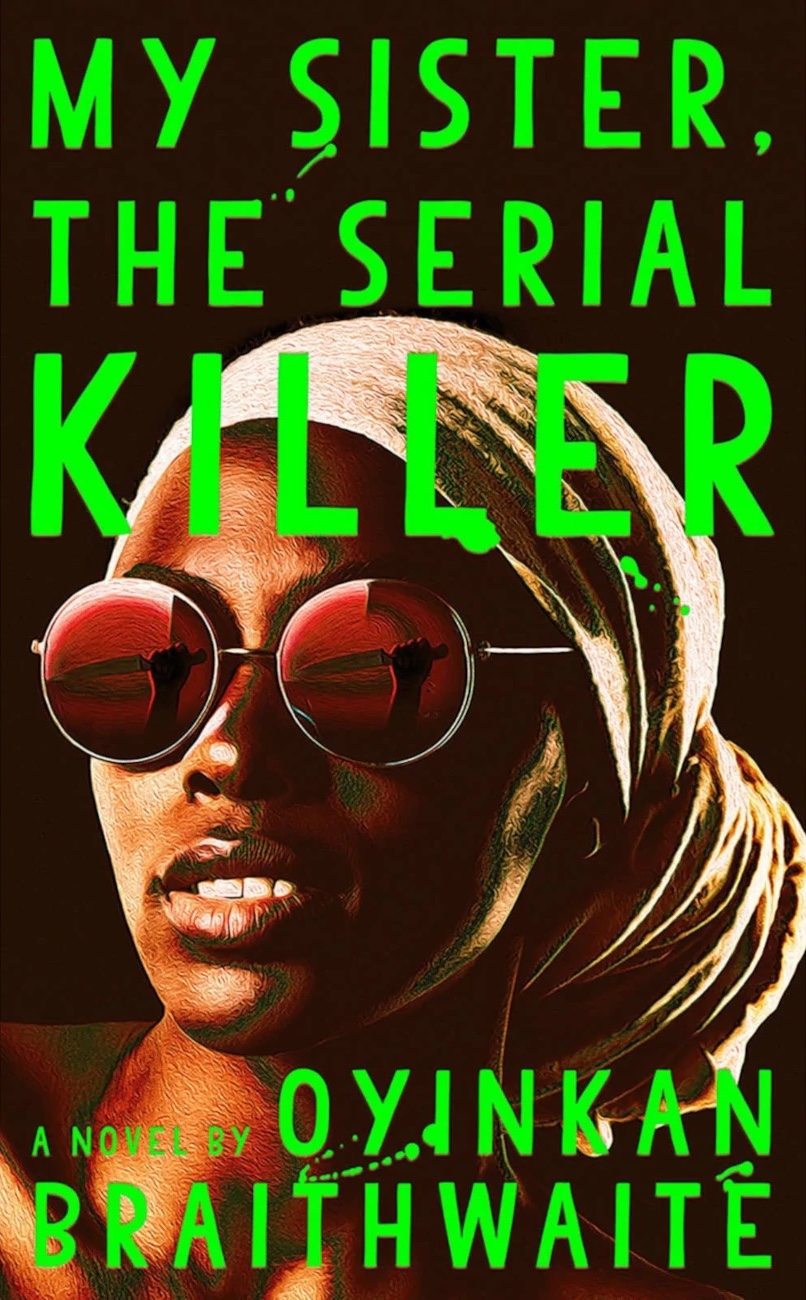
Oyinkan Braithwaite's novel, My Sister, the Serial Killer, features a protagonist, Korede, who repeatedly cleans up after her younger sister, Ayoola, who has a habit of killing her boyfriends. The story explores the complexities of their relationship, the dark humour in their situation, and the moral dilemmas Korede faces as she tries to protect her sister while grappling with her own desires and sense of right and wrong.
Foluso Agbaje
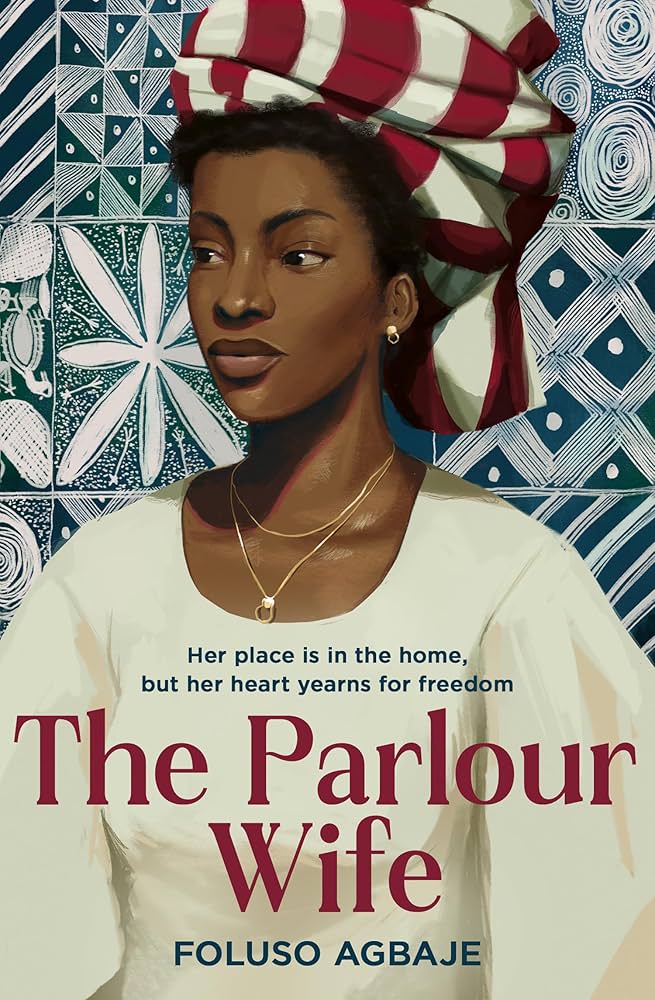
The Parlour Wife by Foluso Agbaje is a poignant story of a young Nigerian woman, living with the consequences of a war her country didn’t choose.
Chimamanda Ngozi Adichie
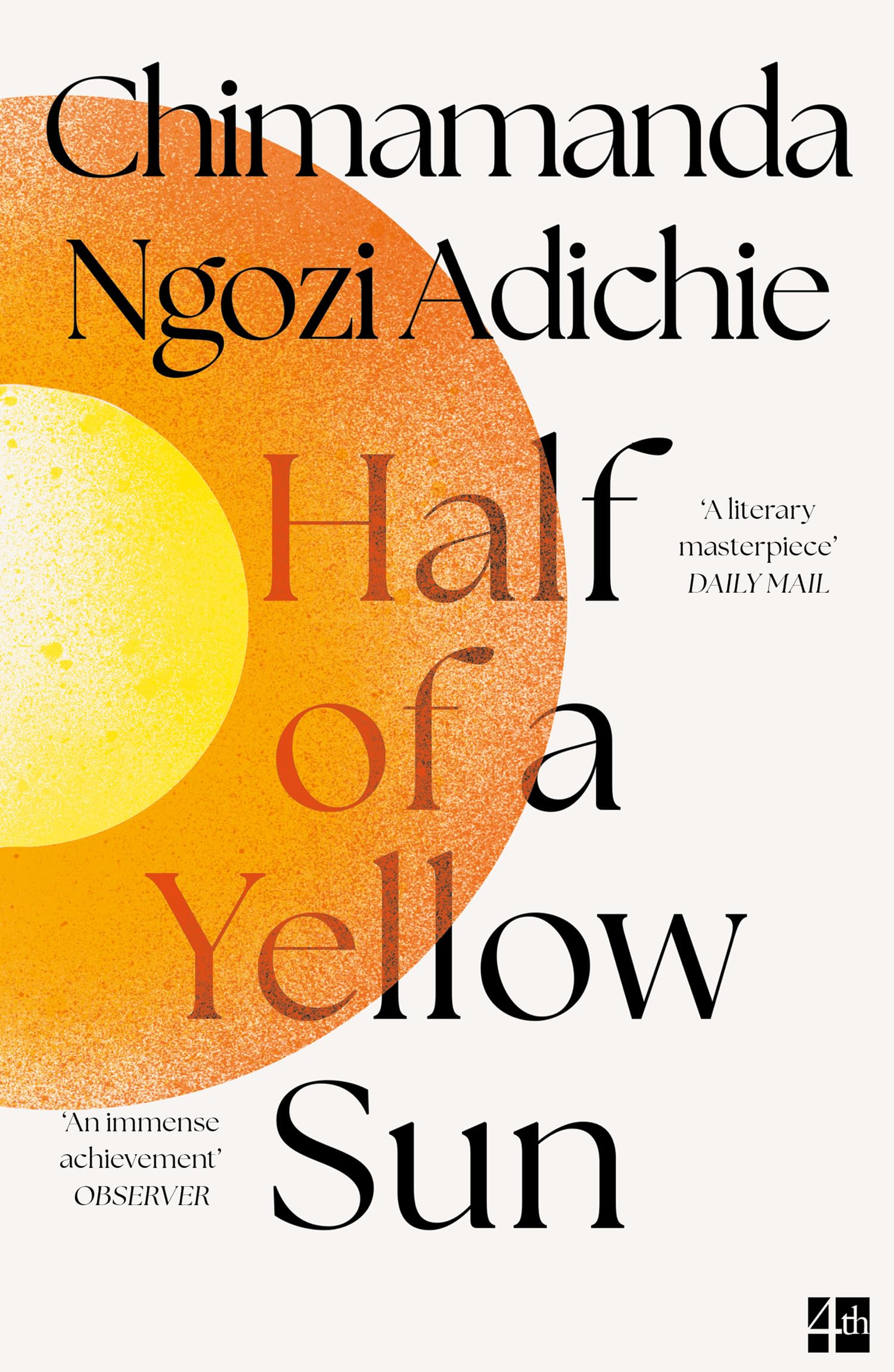
Half of a Yellow Sun is a 2006 novel by Chimamanda Ngozi Adichie. The novel became instantly successful after publication in the United States and Nigeria. Half of a Yellow Sun won the Women's Prize for Fiction a year after its release. The plot and characters are fictional, and loosely based on Adichie's observations of her father's stories about the Nigerian Civil War and the aftermath, and the family visits to her hometown of Abba, Anambra State, when she was thirteen.
Living in Bondage
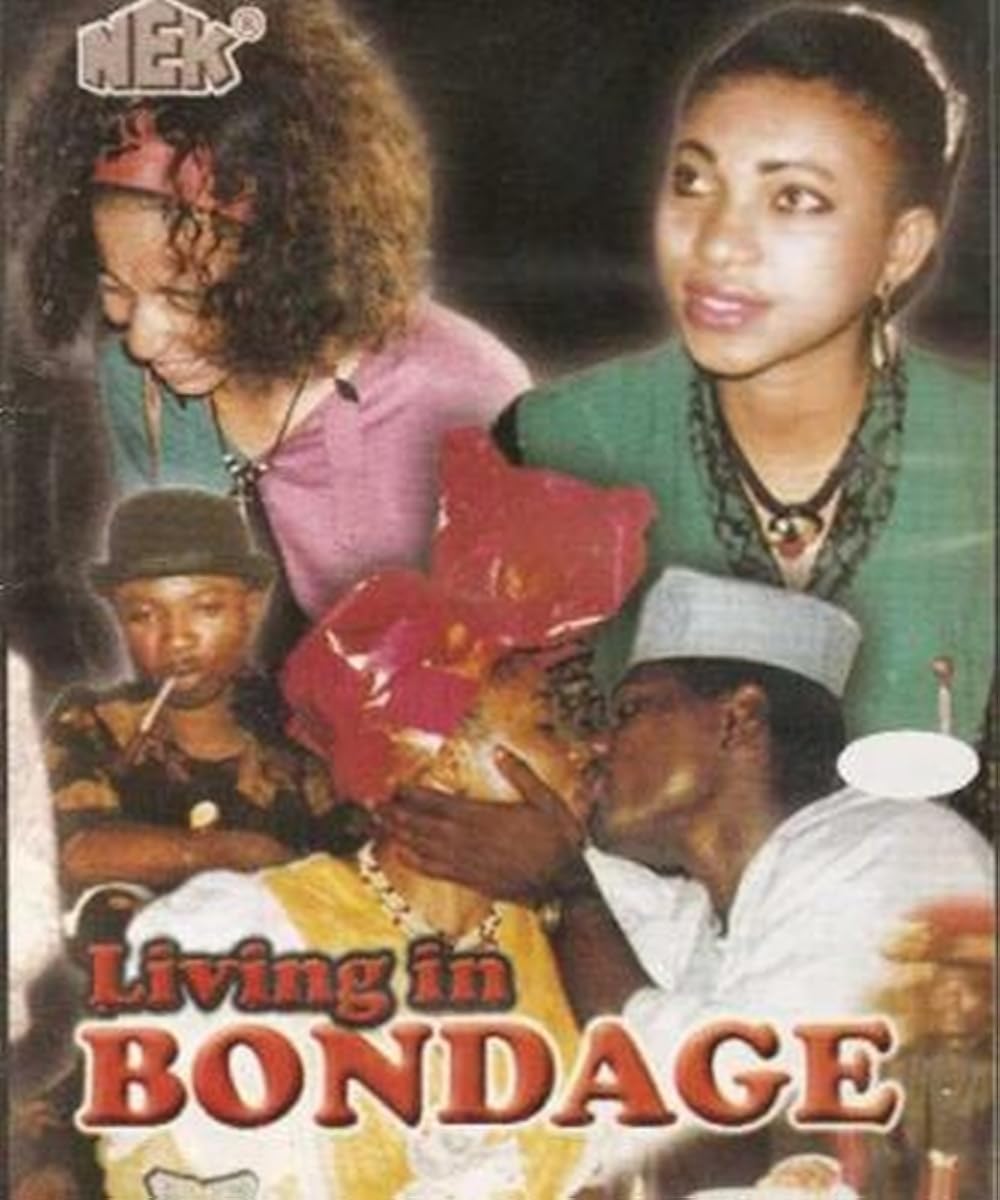
Living in Bondage, released in 1992, is the first successful film commercially shot straight-to-video (VHS), marking a significant shift in distribution and production methods within the Nigerian film industry. It is widely credited with launching Nollywood. It was directed by Chris Obi Rapu, written by Kenneth Nnebue and Okechukwu Ogunjiofor, produced by Ogunjiofor, and sponsored by Jafac Wine. The film starred Kenneth Okonkwo and Nnenna Nwabueze.
Osuofia in London
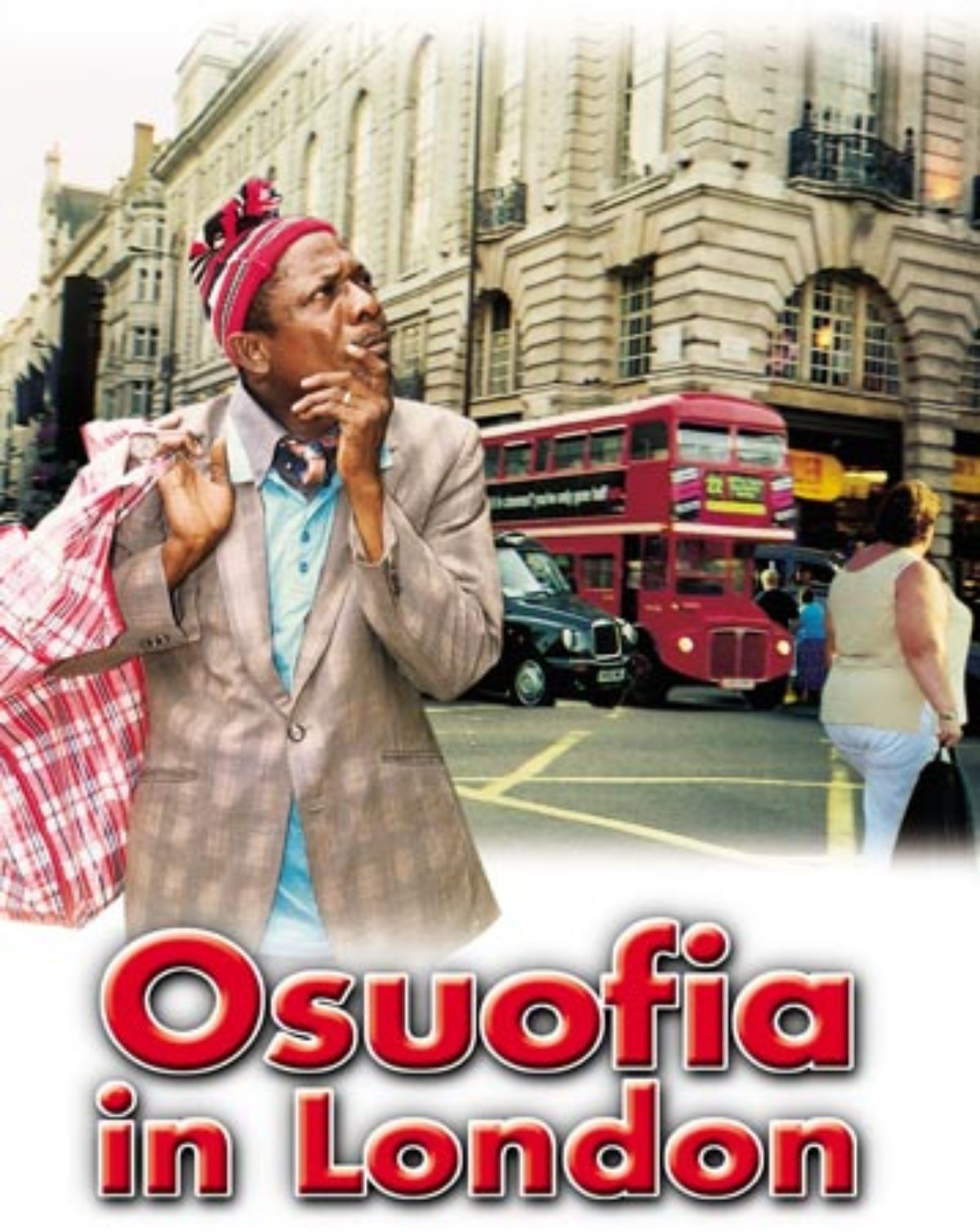
Osuofia in London is a 2003 Nigerian comedy film produced and directed by Kingsley Ogoro, starring Nkem Owoh. The film is arguably one of the highest selling Nollywood films in history. It was followed by 2004 sequel titled Osuofia in London 2.
King of Boys
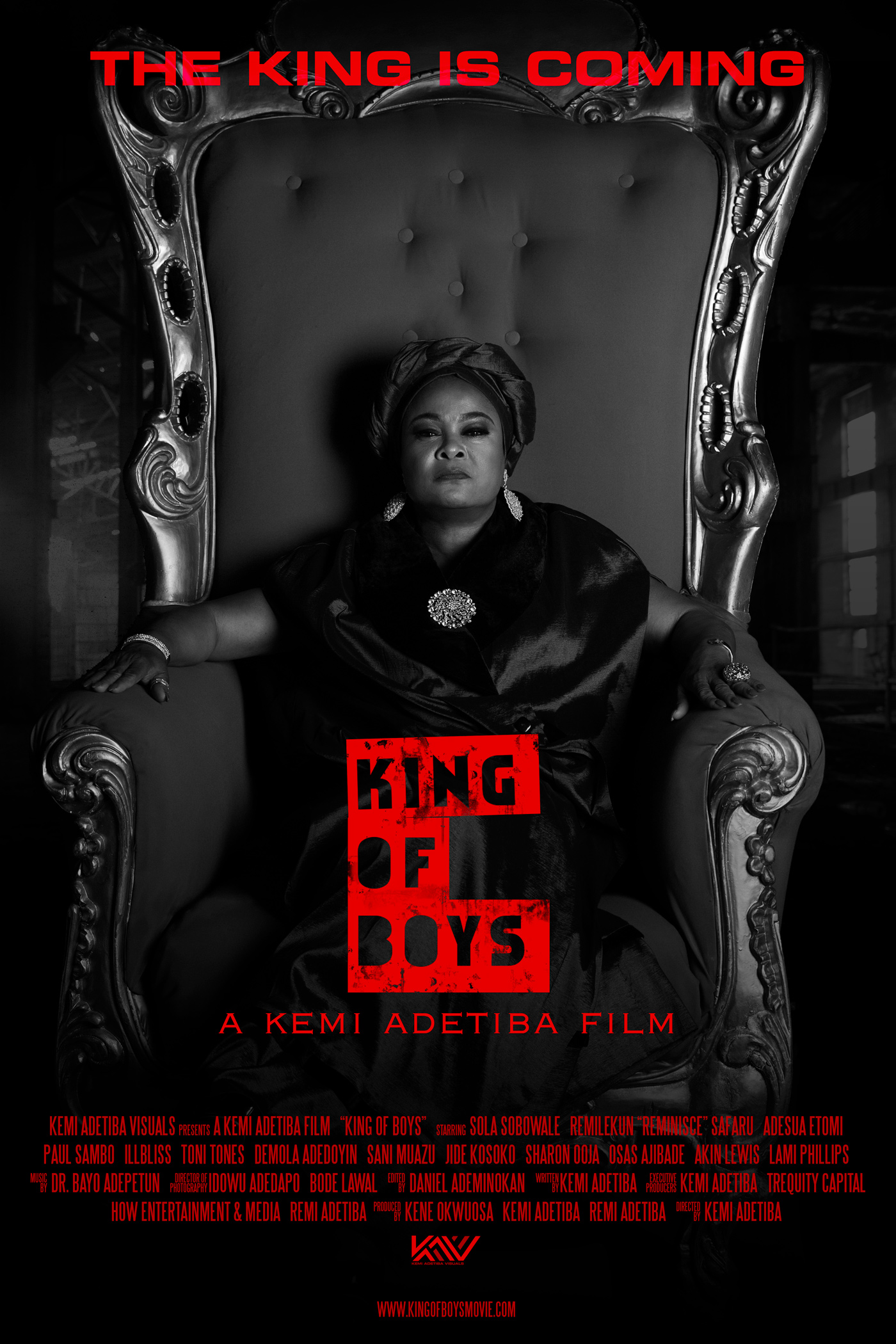
King of Boys is a 2018 Nigerian crime political thriller film written, co-produced, and directed by Kemi Adetiba. It reunites Kemi Adetiba with Adesua Etomi and Sola Sobowale, after they worked together in her directorial debut, The Wedding Party. The movie is focused on power tussles and stars rappers Illbliss and Reminisce in their movie debut roles. Other casts member include Paul Sambo, Osas Ajibade Ighodaro, Toni Tones, Sani Muazu, Demola Adedoyin and Akin Lewis.
The Figurine: Araromire
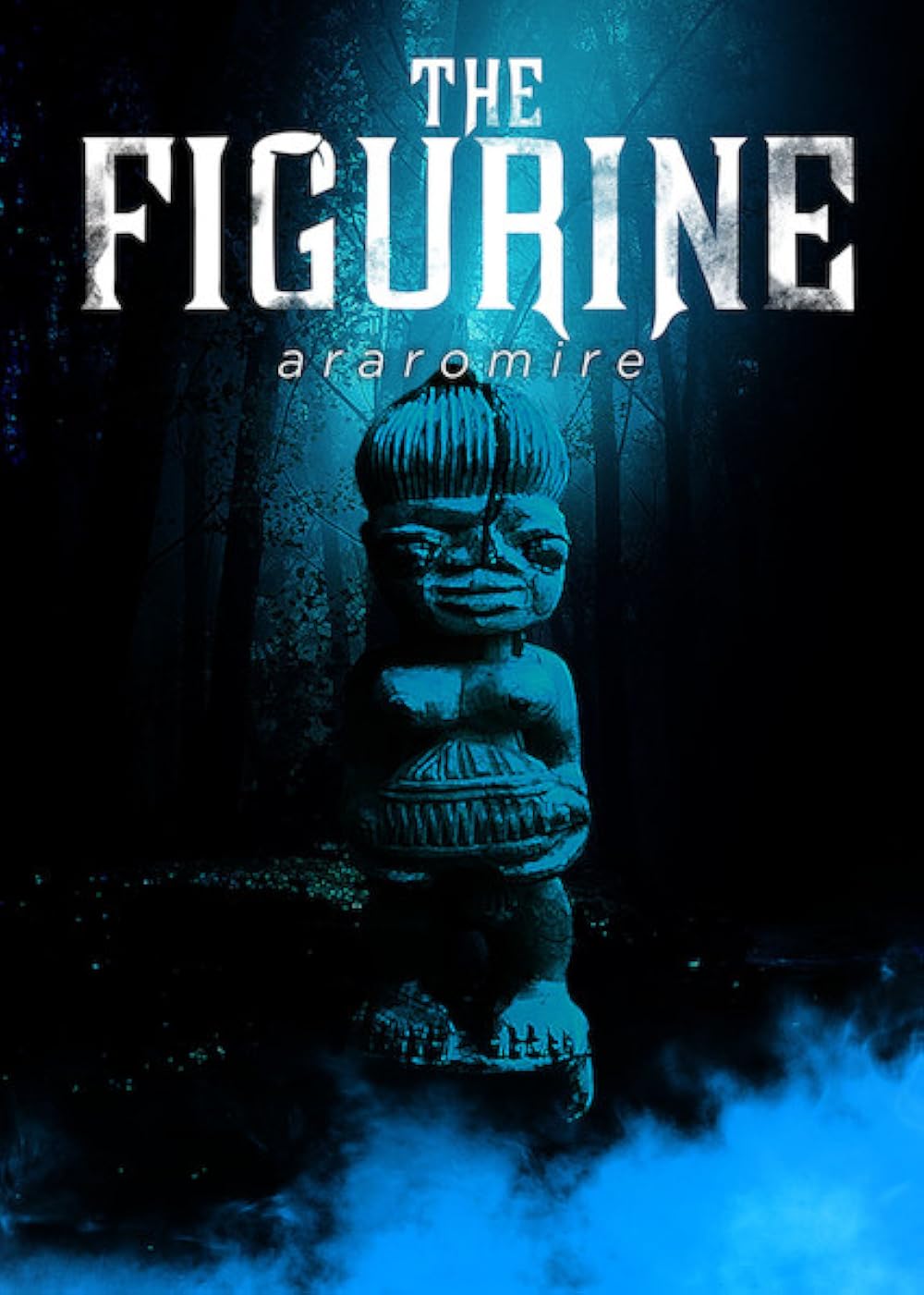
The Figurine: Araromire is a 2009 Nigerian supernatural suspense thriller film written by Kemi Adesoye, produced and directed by Kunle Afolayan, who also stars in the film as one of the main protagonists. It also stars Ramsey Nouah and Omoni Oboli. The Figurine received critical acclaim for its high-quality cinematography, props, and for revitalising Nollywood.
Irapada
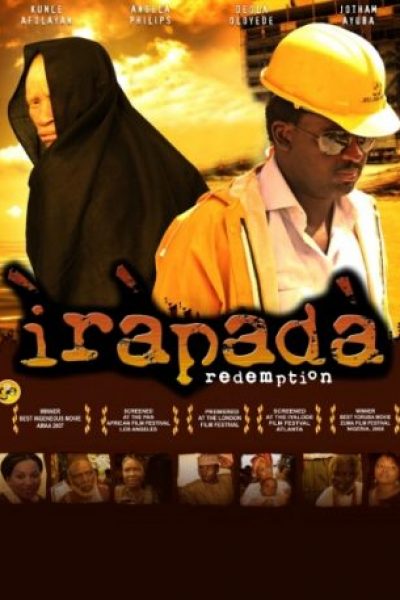
Irapada is a 2006 Nigerian supernatural thriller directed and produced by Kunle Afolayan, and co-written with John Izuchukwu and Jide Okeke. It was the first Nollywood film screened in Nigerian cinemas. The film won the 2007 Africa Movie Academy Award for Best Film in an African Language and was listed by CNN African Voices in 2013 as one of the "Must See African Films of the 21st Century." It was released on DVD in July 2008.
The first cinema in Nigeria was the Glover Memorial Hall in Lagos, where films were first screened in 1903. The first films were shown from August 12th to 22nd, with Herbert Macaulay inviting Mr. Balboa of Balboa and Company to organise the exhibition. While the initial screenings were of Western films, they marked the beginning of cinema culture in Nigeria. The first films shown were silent films, however, a documentary about the Alake of Egba's visit to England, screened on August 3, 1904 gained popularity in this early period. While early cinema was dominated by foreign films, the first Nigerian feature film, "Palaver", was released in 1926, directed by Geoffrey Barkas.
Nigerian people are defined by their incredible diversity, with a rich cultural heritage shaped by a multitude of ethnic groups, languages, and religious beliefs.
Chinua Achebe
Chinua Achebe born Albert Chinụalụmọgụ Achebe; 16 November 1930 – 21 March 2013) was a Nigerian novelist, poet, and critic who is regarded as a central figure of modern African literature. His first novel and magnum opus, Things Fall Apart (1958), occupies a pivotal place in African literature and remains the most widely studied, translated, and read African novel.
Ola Rotimi
The Gods Are Not To Blame
Ola Rotimi's The Gods Are Not To Blame is a 1968 play and a 1971 novel, an adaptation of the Greek classical play Oedipus Rex. The novel is set in an uncertain period of a Yoruba kingdom. This reworking of Oedipus Rex was part of the African Arts (Arts d'Afrique) playwriting contest in 1969.
Oyinkan Braithwaite
Oyinkan Braithwaite's novel, My Sister, the Serial Killer, features a protagonist, Korede, who repeatedly cleans up after her younger sister, Ayoola, who has a habit of killing her boyfriends. The story explores the complexities of their relationship, the dark humour in their situation, and the moral dilemmas Korede faces as she tries to protect her sister while grappling with her own desires and sense of right and wrong.
Foluso Agbaje
The Parlour Wife by Foluso Agbaje is a poignant story of a young Nigerian woman, living with the consequences of a war her country didn’t choose.
Chimamanda Ngozi Adichie
Half of a Yellow Sun is a 2006 novel by Chimamanda Ngozi Adichie. The novel became instantly successful after publication in the United States and Nigeria. Half of a Yellow Sun won the Women's Prize for Fiction a year after its release. The plot and characters are fictional, and loosely based on Adichie's observations of her father's stories about the Nigerian Civil War and the aftermath, and the family visits to her hometown of Abba, Anambra State, when she was thirteen.
Living in Bondage
Chinua Achebe born Albert Chinụalụmọgụ Achebe; 16 November 1930 – 21 March 2013) was a Nigerian novelist, poet, and critic who is regarded as a central figure of modern African literature. His first novel and magnum opus, Things Fall Apart (1958), occupies a pivotal place in African literature and remains the most widely studied, translated, and read African novel.
Osuofia in London
The Gods Are Not To Blame
Ola Rotimi's The Gods Are Not To Blame is a 1968 play and a 1971 novel, an adaptation of the Greek classical play Oedipus Rex. The novel is set in an uncertain period of a Yoruba kingdom. This reworking of Oedipus Rex was part of the African Arts (Arts d'Afrique) playwriting contest in 1969.
King of Boys
Oyinkan Braithwaite's novel, My Sister, the Serial Killer, features a protagonist, Korede, who repeatedly cleans up after her younger sister, Ayoola, who has a habit of killing her boyfriends. The story explores the complexities of their relationship, the dark humour in their situation, and the moral dilemmas Korede faces as she tries to protect her sister while grappling with her own desires and sense of right and wrong.
The Figurine: Araromire
The Parlour Wife by Foluso Agbaje is a poignant story of a young Nigerian woman, living with the consequences of a war her country didn’t choose.
Irapada
Half of a Yellow Sun is a 2006 novel by Chimamanda Ngozi Adichie. The novel became instantly successful after publication in the United States and Nigeria. Half of a Yellow Sun won the Women's Prize for Fiction a year after its release. The plot and characters are fictional, and loosely based on Adichie's observations of her father's stories about the Nigerian Civil War and the aftermath, and the family visits to her hometown of Abba, Anambra State, when she was thirteen.